Heat Index Walking Workout Hydration Plan
A practical hot-weather walking plan for adjusting pace, hydration, shade, indoor swaps, and recovery when the heat index rises.
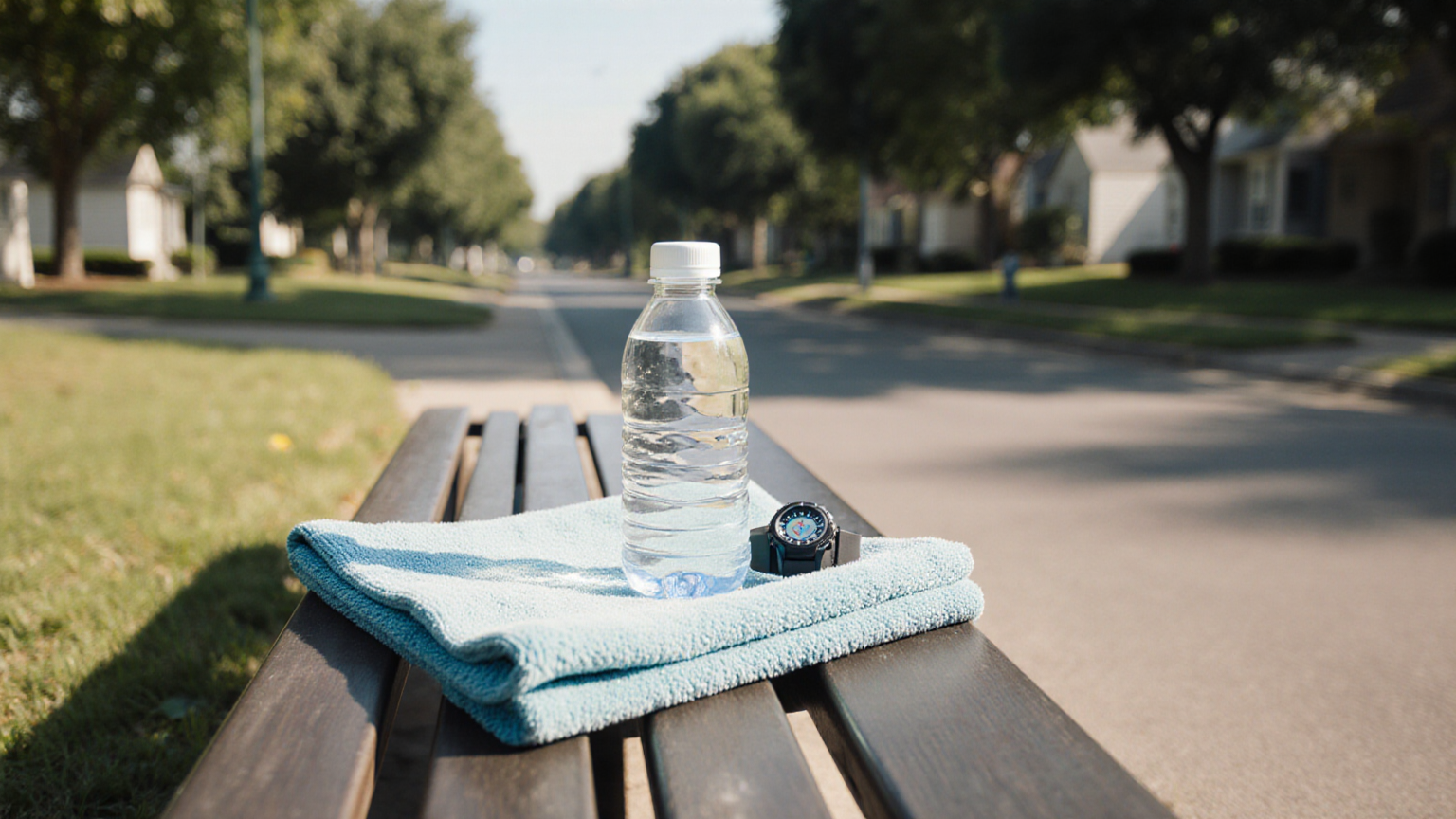
This article is for general education only and is not medical advice. Stop exercise and seek qualified care for chest pain, fainting, severe shortness of breath, neurological symptoms, uncontrolled blood pressure, recent surgery concerns, pregnancy-related concerns, or symptoms that worsen instead of improving.
Evidence and boundary review
BodyWise Lab articles cite primary sources, show update dates, and separate practical routines from clinical decisions. Source-checking is an editorial process, not a personal medical endorsement.
This guide was checked on 2026-06-27 against the listed heat-health, physical-activity, and weather sources. It is practical fitness guidance, not a substitute for medical advice. If you have cardiovascular disease, take heat-sensitive medication, recently had illness, or have symptoms such as confusion, fainting, chest pain, or stopped sweating, stop the workout and seek qualified help.
Hot-weather walking is still useful because it is accessible, low equipment, and easy to scale. The mistake is treating a summer walk like a spring walk. Heat index combines air temperature and humidity, so the same pace can feel very different when sweat does not evaporate well. A safer plan changes the route, start time, pace, water access, and recovery target before you leave the door.
Quick decision table
| Heat situation | Safer walking choice | Avoid |
|---|---|---|
| Mild warmth, low humidity | Normal route with water available | Starting already thirsty |
| Heat index feels uncomfortable | Short shaded loop, easy pace, check symptoms every 10 minutes | Chasing pace or step streaks |
| Heat alert, poor sleep, illness, or new medication | Indoor walk, mobility circuit, or rest | Proving toughness outside |
| Dizziness, chills, nausea, confusion, unusual weakness | Stop, cool down, move to shade or air conditioning, get help if symptoms persist | Finishing the loop first |
Build the walk around the heat index, not the calendar
Before a summer walk, check the local forecast and look at the part of the day you will actually be outside. Low-angle morning sun can still be hot when humidity is high, and an evening sidewalk can radiate heat after a sunny day. Pick a loop that lets you quit early without being stranded. A half-mile shaded loop repeated two or three times is safer than one long out-and-back when the heat trend is uncertain.
Use perceived effort as the main governor. On hot days, the target is conversational breathing and relaxed posture, not a personal best. If your normal route has hills, exposed asphalt, or long stretches without shade, swap it for tree cover, an indoor track, a mall walk, or a treadmill near a fan. The fitness win is consistency without a heat illness setback.
Hydration is a schedule, not a rescue tool
Start hydrated enough that you are not using the first ten minutes to catch up. For a short easy walk, a bottle and a plan to drink afterward may be enough. For longer walks, high humidity, or heavy sweating, carry water and use a route with refill points. Do not wait for intense thirst to become the signal; thirst can lag behind fluid loss, and drinking too much plain water without food or electrolytes can also be a problem during very long efforts.
A practical habit is to weigh the friction, not just the ounces. If carrying a large bottle makes you leave it at home, use a small bottle and design a loop past home, a park fountain, or a store. If you sweat heavily, add a salty snack with the post-walk meal or follow clinician guidance if you have blood pressure, kidney, or heart conditions.
Route checklist
- Start early or choose a shaded evening only after checking the pavement and humidity.
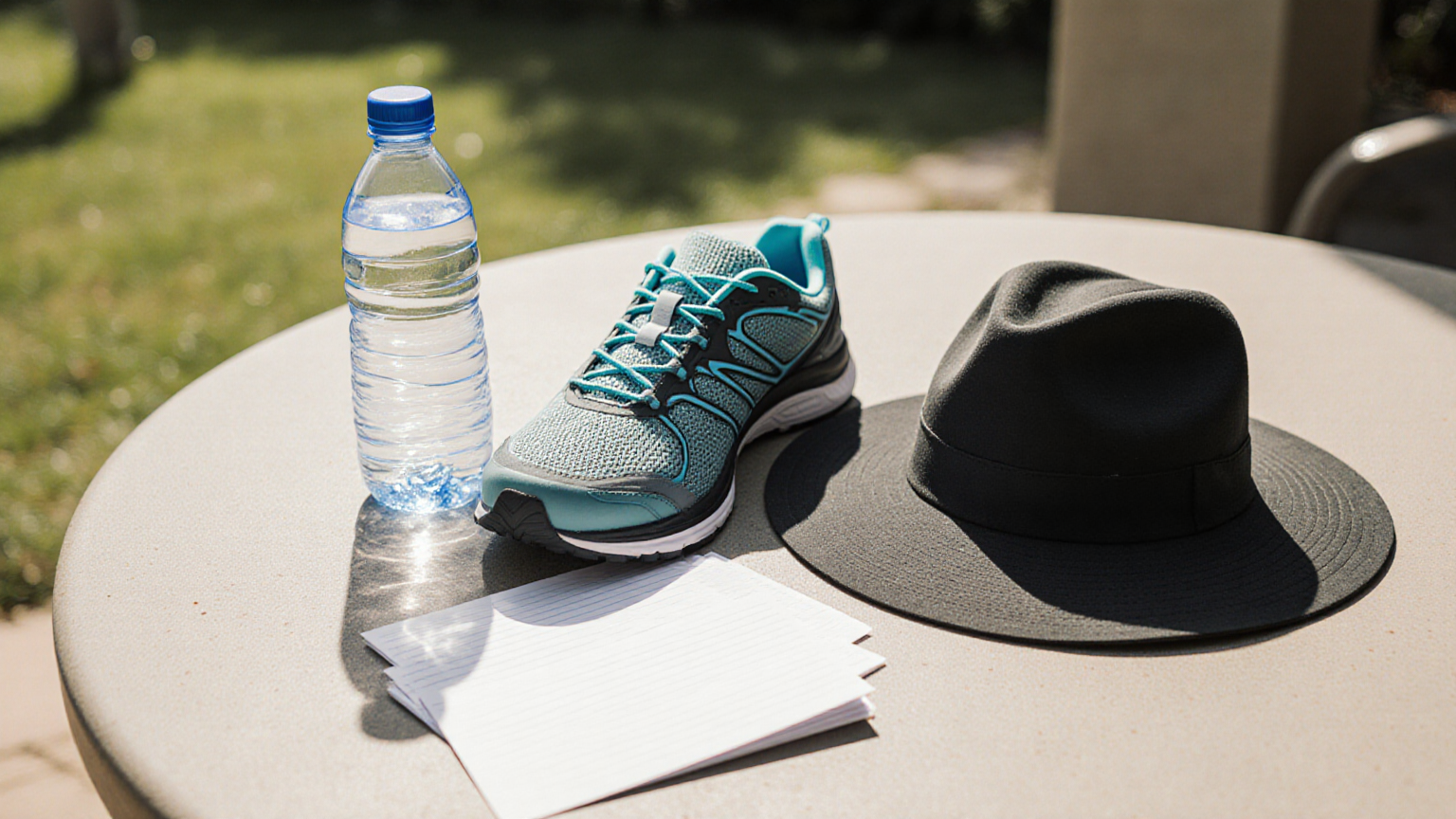
- Wear breathable shoes and a hat that does not trap heat.
- Carry a phone, but do not stare at it while walking in traffic areas.
- Tell someone your route if you are walking alone in high heat.
- Pick a loop with shade, water, and a bailout point.
- Leave pets out of this plan unless pavement and animal heat safety are separately checked.
When to move the workout indoors
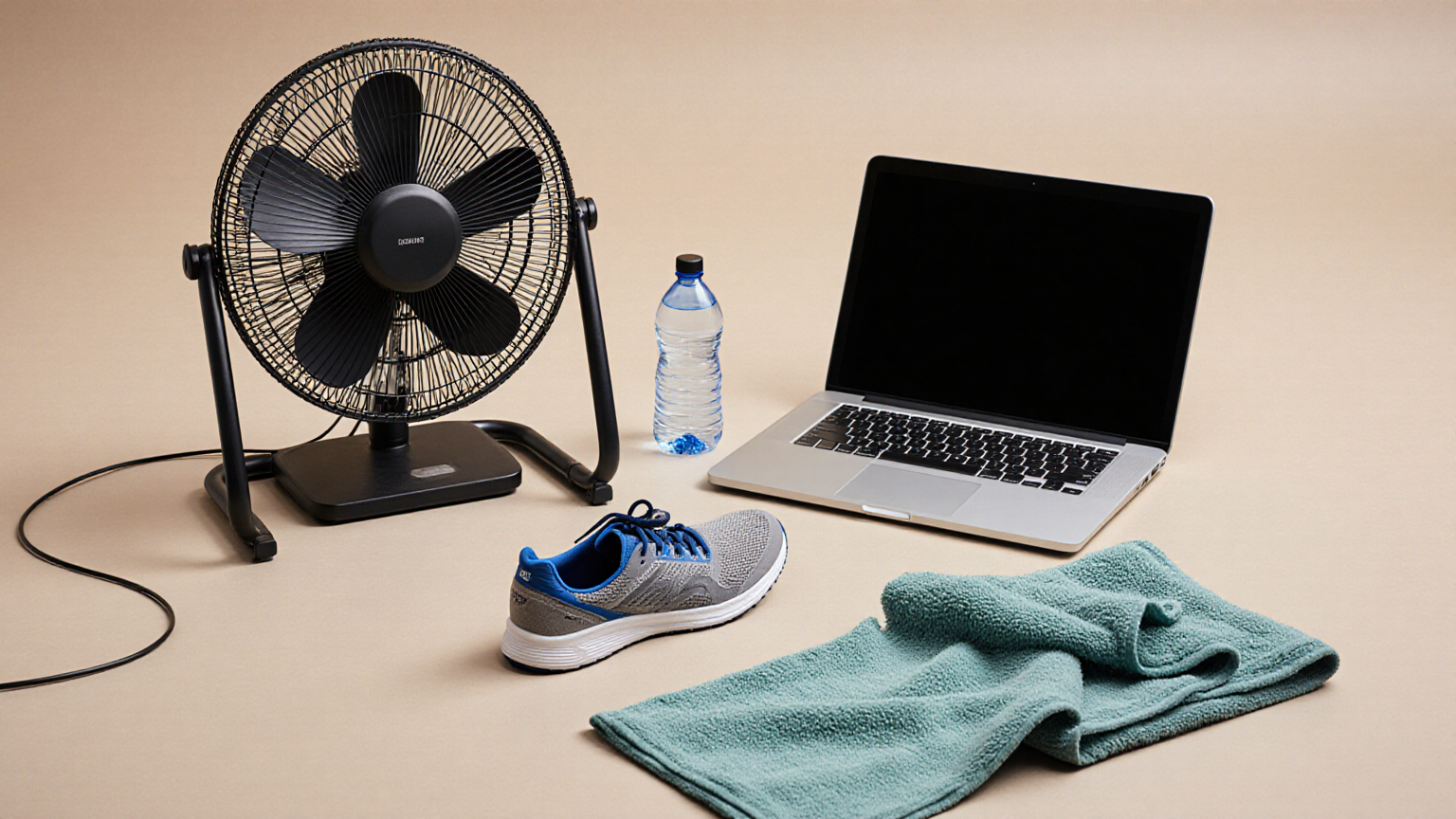
Moving indoors is not a failure. It is a smart substitution when the heat index, air quality, medication, illness recovery, or sleep debt makes the outdoor plan less safe. The indoor version can be simple: ten minutes of easy treadmill walking, five minutes of mobility, another ten minutes of easy walking, then a cool-down. A fan helps comfort, but it does not erase dehydration or medical risk.
If the goal is strength or weight management, the best hot-weather workout is the one you can repeat tomorrow. Keeping the intensity moderate prevents the common cycle of one heroic outdoor session followed by two days of fatigue. Indoor swaps are especially useful for older adults, beginners, and anyone returning after respiratory illness.
Symptom stop rules
Use stop rules before you need them. Mild sweat and warm skin are expected. Warning signs include dizziness, headache, chills, nausea, unusual weakness, confusion, loss of coordination, or skin that feels hot with symptoms getting worse. Stop in shade or air conditioning, loosen layers, sip fluids if alert, and get medical help for severe or persistent symptoms.
For groups, assign a buddy rule: no one dismisses another person’s symptoms as lack of discipline. Heat illness can develop quickly, especially during the first hot week of the season when acclimatization is incomplete. A short walk cut early is still a successful safety decision.
Recovery after the walk
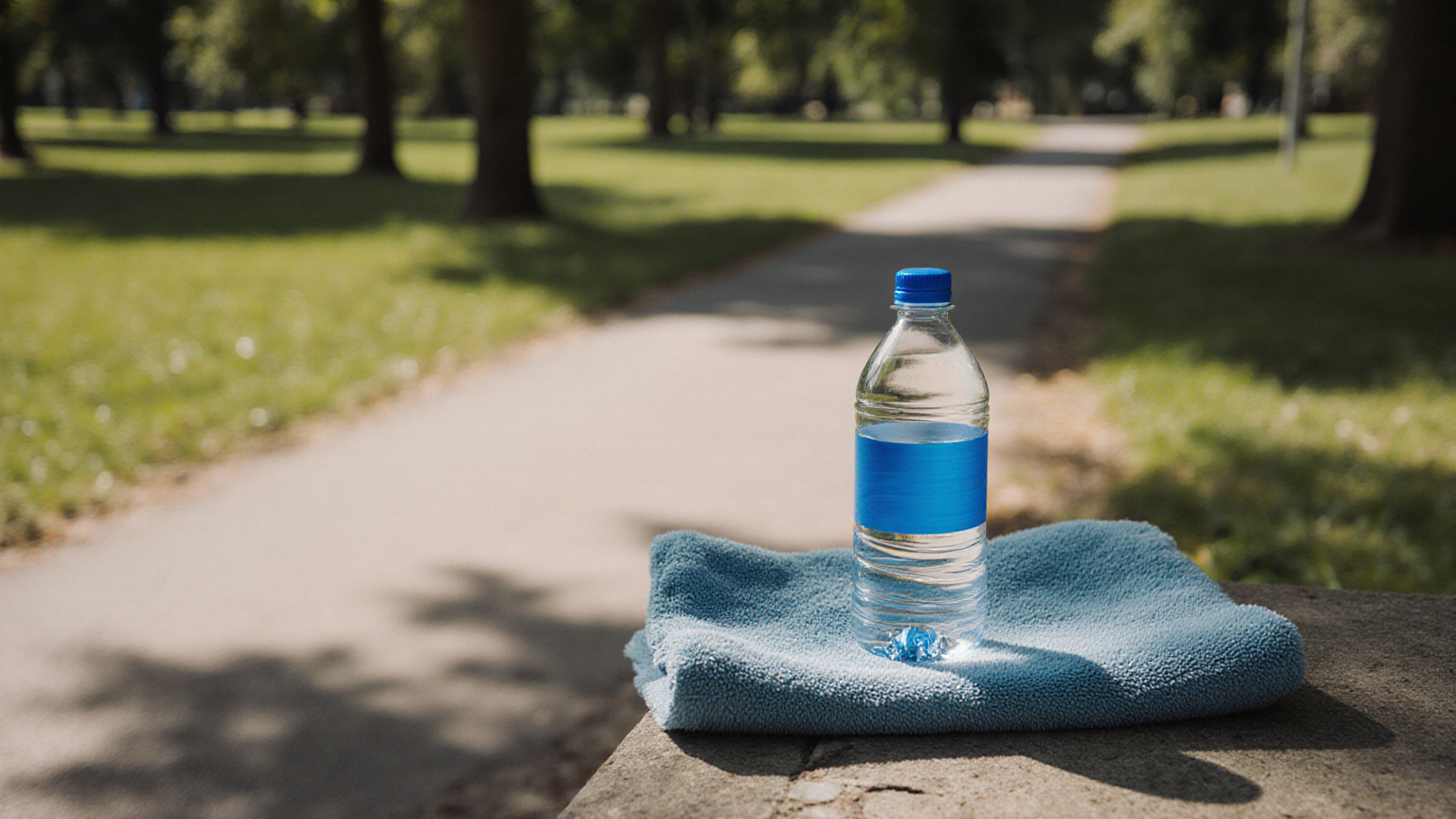
Recovery starts before the shower. Move to a cool place, keep walking slowly for a few minutes, and let breathing normalize. Replace fluids with normal meals and water. If you track heart rate, expect it to stay elevated longer in heat; that does not mean you need to add more effort. It means the body is spending energy on cooling.
Write down what worked: start time, shade, bottle size, pace, and any symptoms. This turns hot-weather walking from guesswork into a repeatable plan. The next day, adjust one variable at a time instead of changing route, pace, and duration together.

FAQ
Should I walk every day during a heat wave? Not necessarily. Keep the habit with indoor walking, mobility, or rest when heat alerts or personal symptoms make outdoor walking a poor trade.
Is sports drink required? Usually not for short easy walks, but heavy sweaters, long sessions, and medical conditions need individualized guidance. Food plus water is often enough for ordinary walking.
What is the AdSense-readiness angle? This page avoids miracle fitness claims, uses official sources, gives clear safety caveats, and keeps image content illustrative rather than pretending pictures are instructions.